Labor Market
The Minimum Wage Debate: What the Numbers Actually Show
Calls for a ฿400 daily minimum wage have intensified. We examine the evidence behind the arguments on both sides.
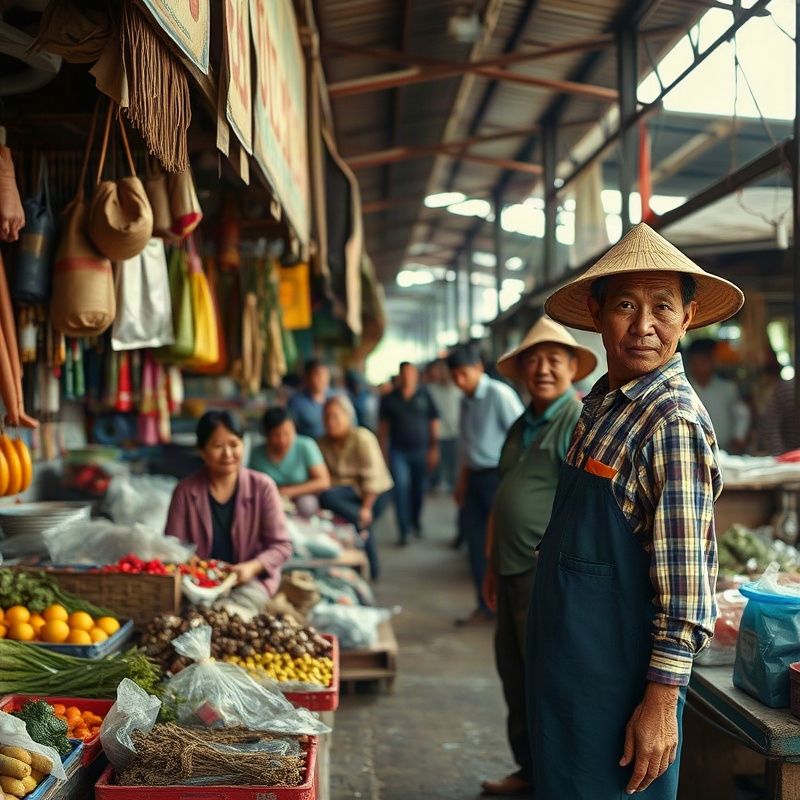
Thailand's minimum wage currently sits at ฿330–฿370 per day depending on province, set following a 2023 tripartite committee review. A coalition of labor groups has renewed pressure for a uniform national floor of ฿400, citing rising food costs, higher electricity tariffs, and stagnant real wages for workers in wholesale trade, agriculture, and domestic services. Employer associations, particularly those representing small and medium enterprises in the tourism and food-processing sectors, argue that a sharp increase would accelerate automation investment and reduce formal-sector employment — a position consistent with some international evidence on minimum-wage effects in labor-intensive industries, though the magnitude of those effects is contested in the academic literature. The more nuanced picture from Thailand's own historical data suggests that the employment effects of past minimum-wage increases have been modest and geographically uneven. Northern provinces such as Chiang Rai and Chiang Mai, where the cost of living is lower than Bangkok and labor markets are tighter in agriculture and tourism, would experience the ฿400 floor differently from the Eastern Economic Corridor, where manufacturing wages already cluster above ฿370. What the numbers do clearly show is that real minimum wages — adjusted for consumer price inflation — have grown only marginally since 2019, meaning many of the lowest-paid workers have seen purchasing power effectively stagnate. The policy question is not simply whether to raise the floor, but how to sequence it, differentiate it by region, and pair it with productivity support for the SME sector that employs the majority of minimum-wage workers.